This work was completed as part of course requirements for MIT Course 6.2222 (Formerly 6.330): Power Electronics Laboratory. Professor Steve Leeb is the instructor.
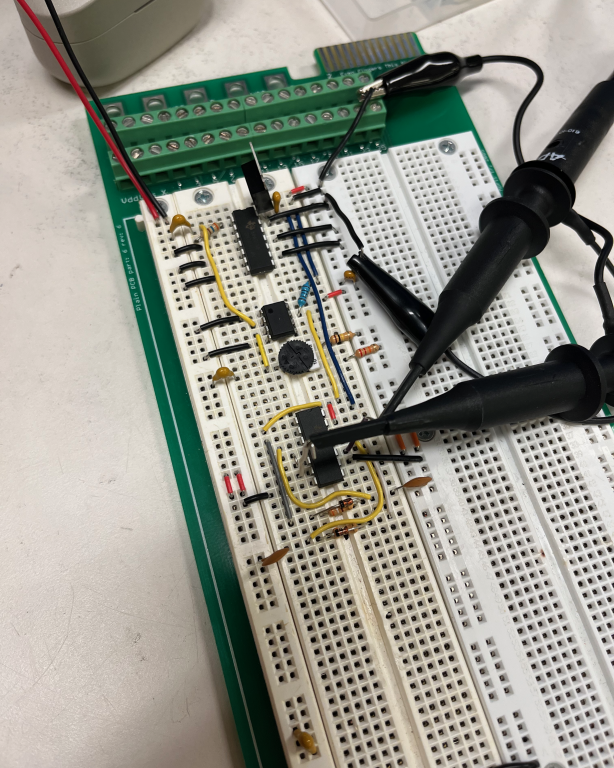
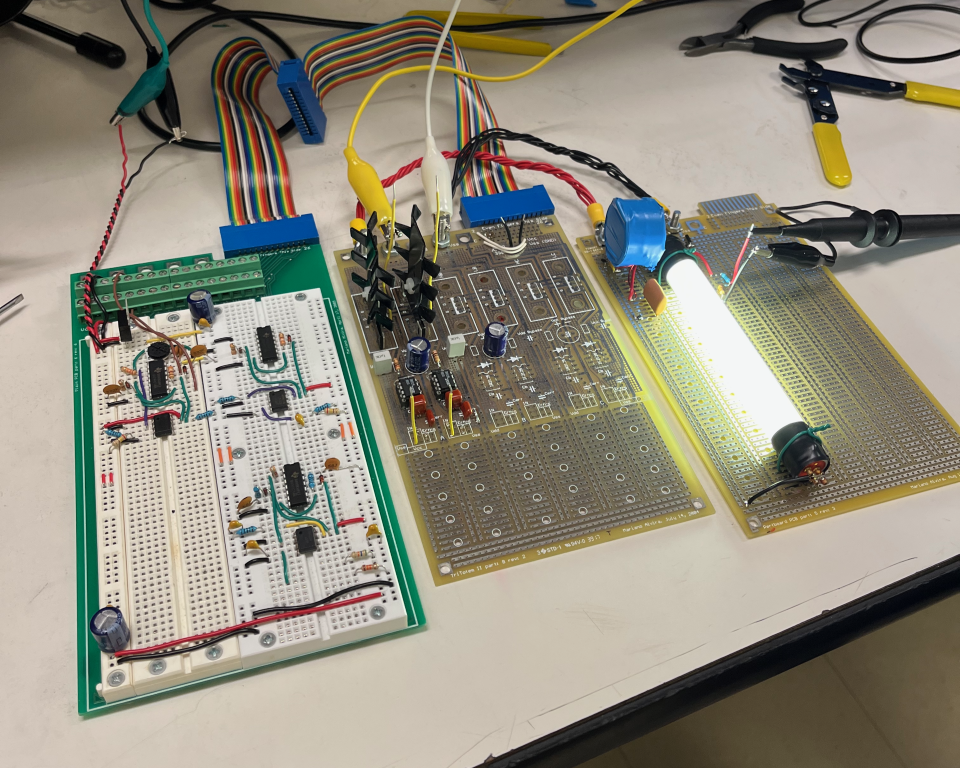
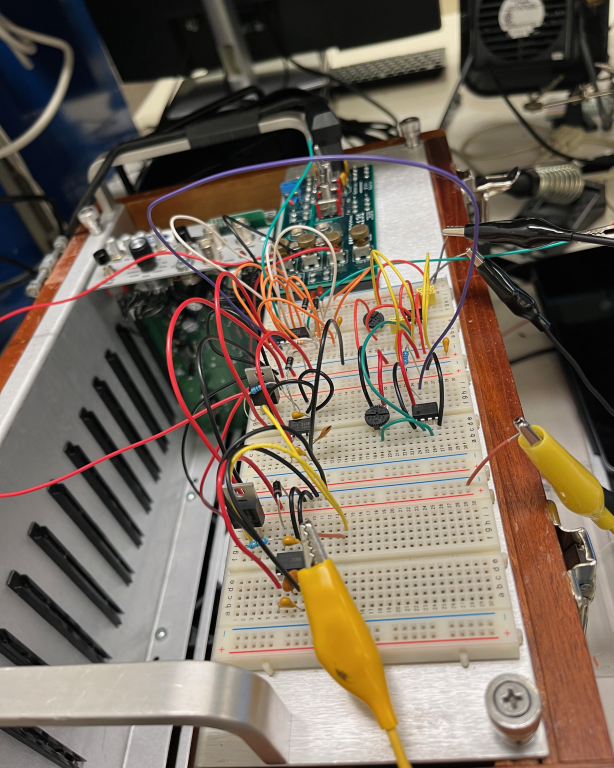
My first power converters: An absolute mess of wires desperately needing more organization.
Power Electronics Laboratory was, beyond a shadow of doubt, the most rewarding and most challenging course I have ever taken. Now, more than ever, I feel like I have some grasp of this fascinating and rewarding field of engineering.
I've always wanted to be better at applied electronics. I've leveraged my fascination in electronics as part of my work designing and constructing PLC-based controllers and data acquisition systems in the GEAR Lab. Still, I yearned for a more foundational understanding of circuit design including the selection of integrated circuits, power system design, and troubleshooting strategies. Power Electronics Laboratory satisfied this curiousity and much, more more.
The semester began with simple linear and switching power regulators, introducing the very basics of circuit design. My first circuits were tangled messes of wires and components. I very quickly learned to clean my mess and work with short, tight wires. Neat circuits were easier to troubleshoot and were less susceptible to interference.
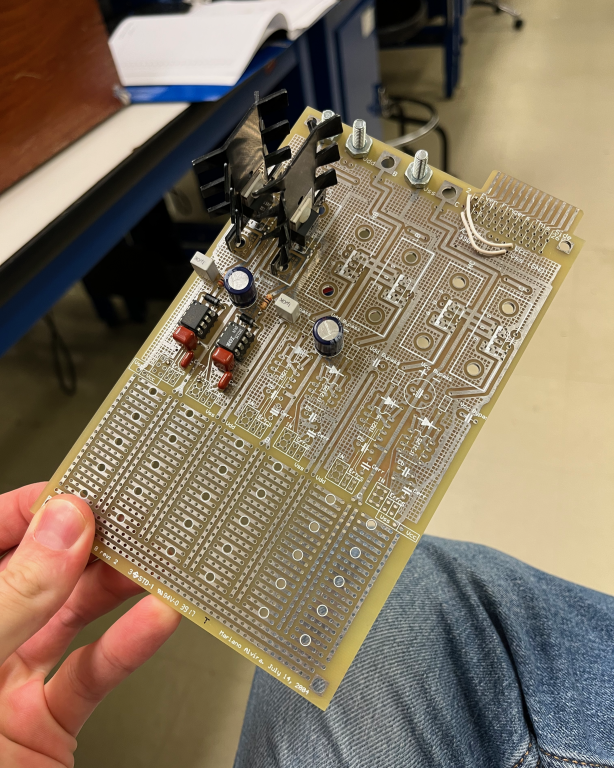
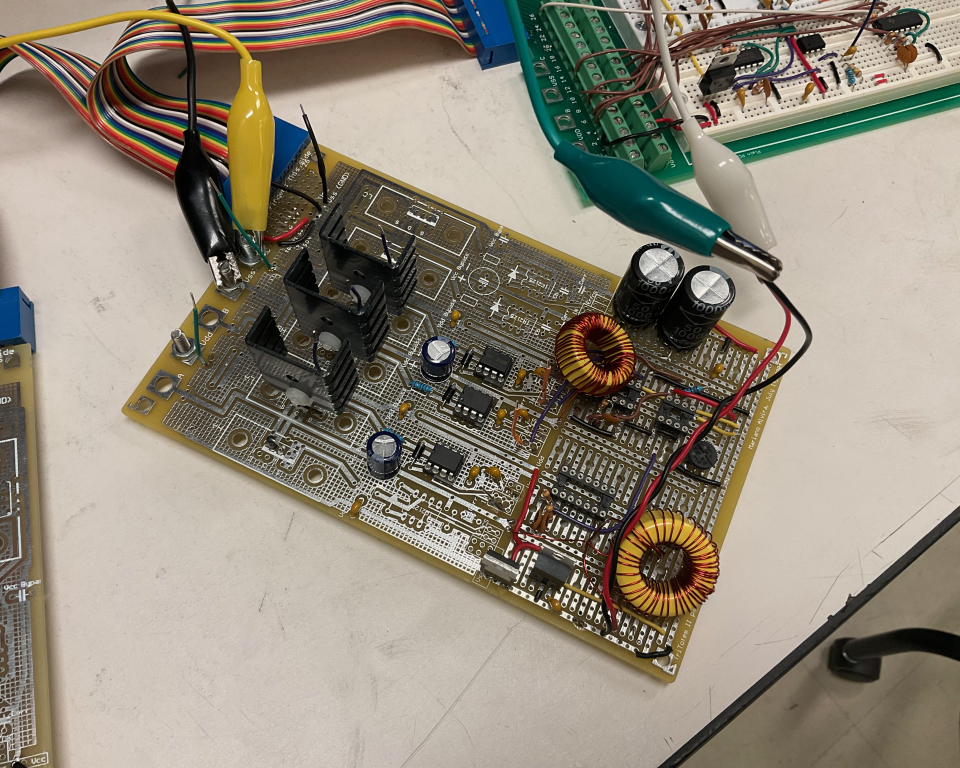
A "totem" card, provided by the class containing, some MOSFETS and drivers, along with the requisite heat sinks and capacitors.
It wasn't long before we were introduced to "Totems," which is a configuration of MOSFETs and MOSFET drivers that allow a low power circuit to control higher power devices. These yellow-ish boards were designed in 2004 but were still an integral part of the course in 2023. Nearly every project after this point would require us to use a Totem board, stretching our understanding of how this relatively simple circuit could be used in real devices.
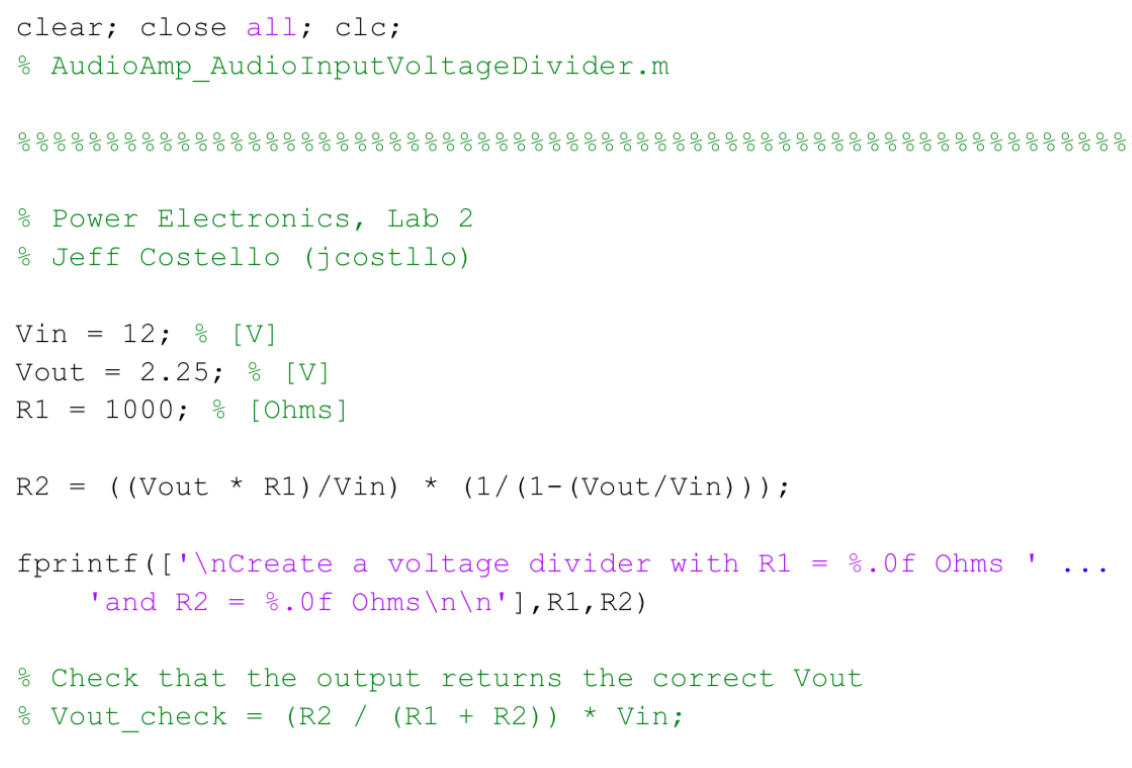
To drive the Totem, we built a number of delay circuits that could "make" and "break" the electrical connections between the high power and ground connections in the Totem. In this way, we could control the high power device at our output without frying the Totem itself. Eventually, I got pretty quick at the governing mathematics behind this simple circuit. I was pretty fast to build them too - and my wiring was slowly starting to look better.
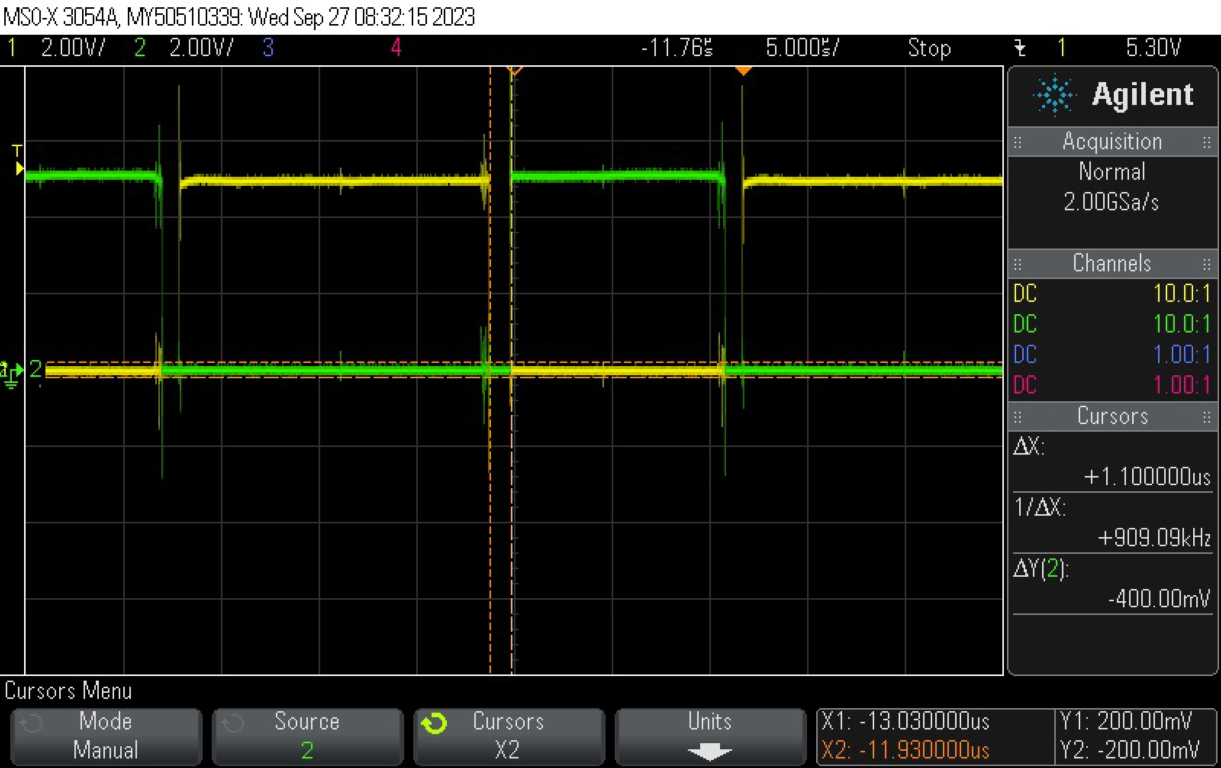
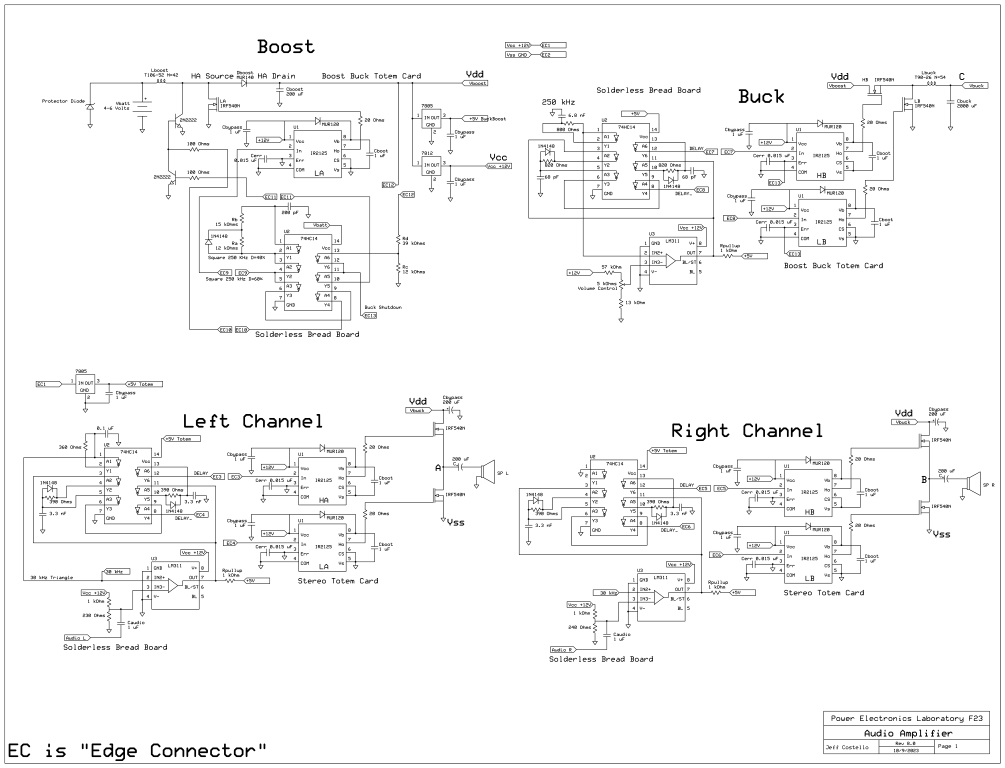
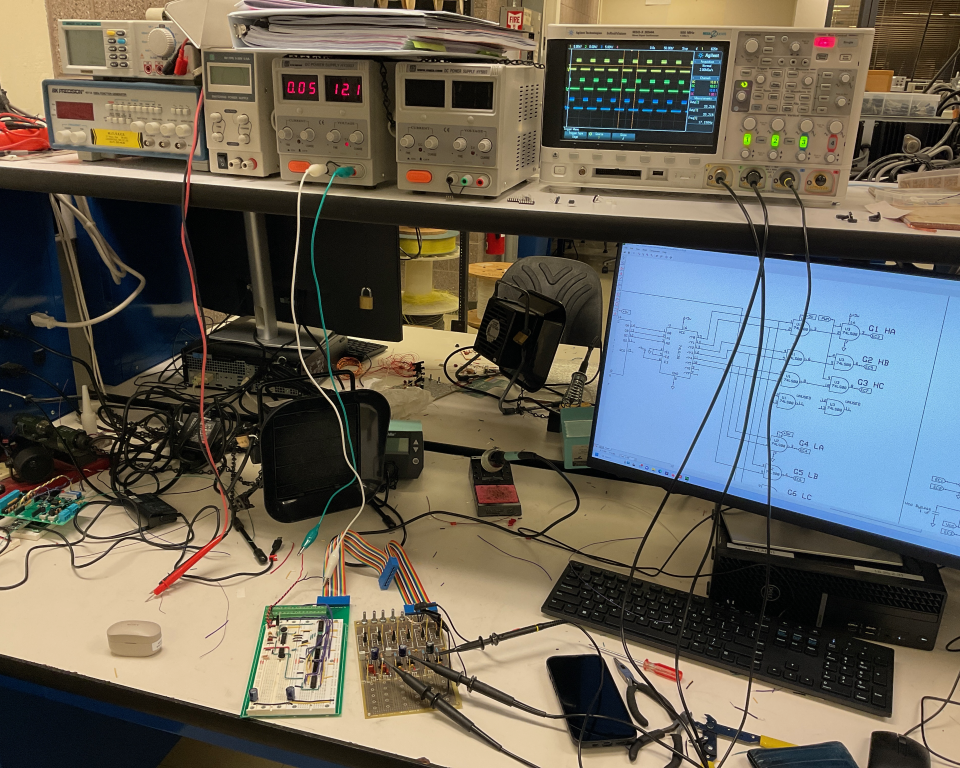
We built a number of fascinating circuits over the course of the semester including a class-D audio amplifier, a fluorescent lamp ballast, a motor controller, and a switched capacitor power supply. With every exercise, I felt new confidence. I was grasping the circuit math and design. I meticulously made schematics to follow. I was learning the tricks to use an oscilloscope effectively. Below, find a collage of photos from some of the course exercises.
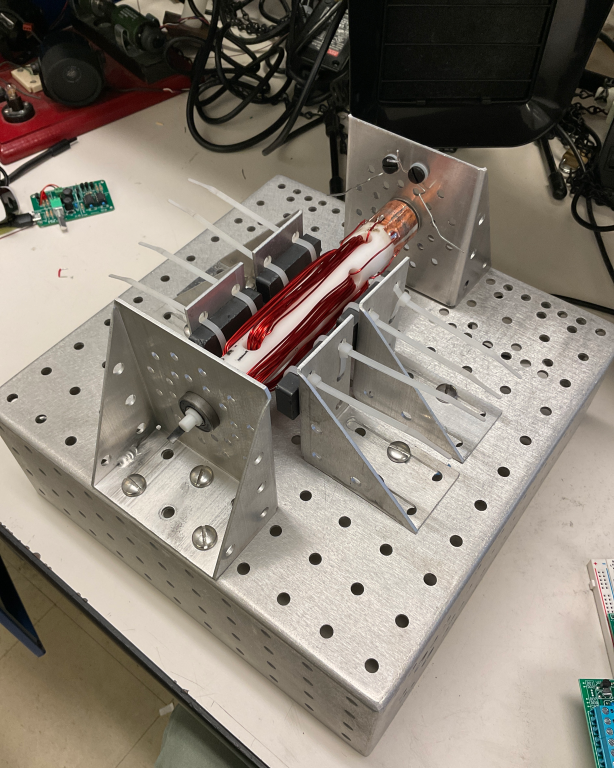
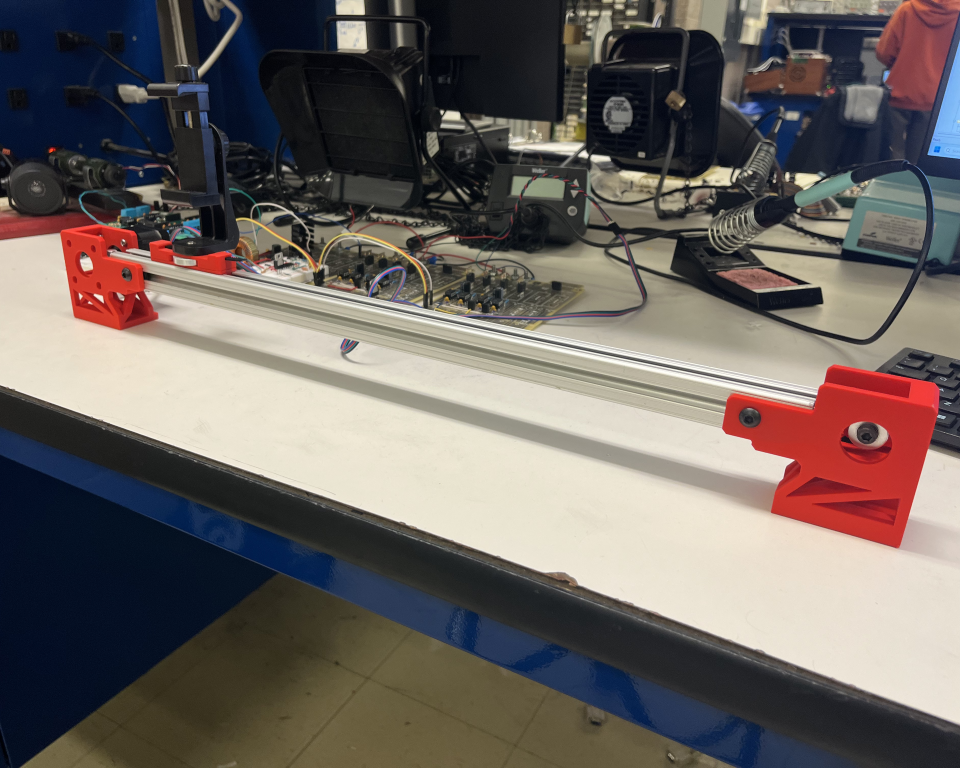
The camera slide: an aluminum extrusion with 3D printed end caps.
The course culminated in a final project. Originally I wanted to build a sinker electrical discharge machine (EDM) power supply but that idea was (understandably) deemed unsafe 😅. Instead, I decided to design a prototype of a "battery" powered, "remote controlled," linear camera slide. I combined a few concepts...
I kept the mechanical design simple. Nonetheless, I still wanted to put my personality into the design, with a bit of extra care taken to make it aesthetically pleasing and easy to use.
The camera slide worked. Although there were bugs and much I would like to improve, I still felt a massive sense of accomplishment after this challenging, sleepless semester. I could not be prouder of my accomplishments in this course. I don't expect that power electronics circuit design will foundational in my career - there are better circuit designers out there - but courses like Power Electronics have always proven invaluable in my ability to communicate between engineering disciplines in order to solve problems and bridge gaps between subsystems.