In January 2018, on just my second day working for the MIT Global Engineering and Research (GEAR) Lab, I was on a flight to Israel. Just one day before, I had started a new role as a research specialist. With my new colleagues, I'd be helping to commission one of their village-scale, desalination pilot systems its shipment into Gaza. I never could have predicted the magnitude of the challenges I would face on this trip nor could I predict how critically important this trip was to my career and my attitude toward engineering.
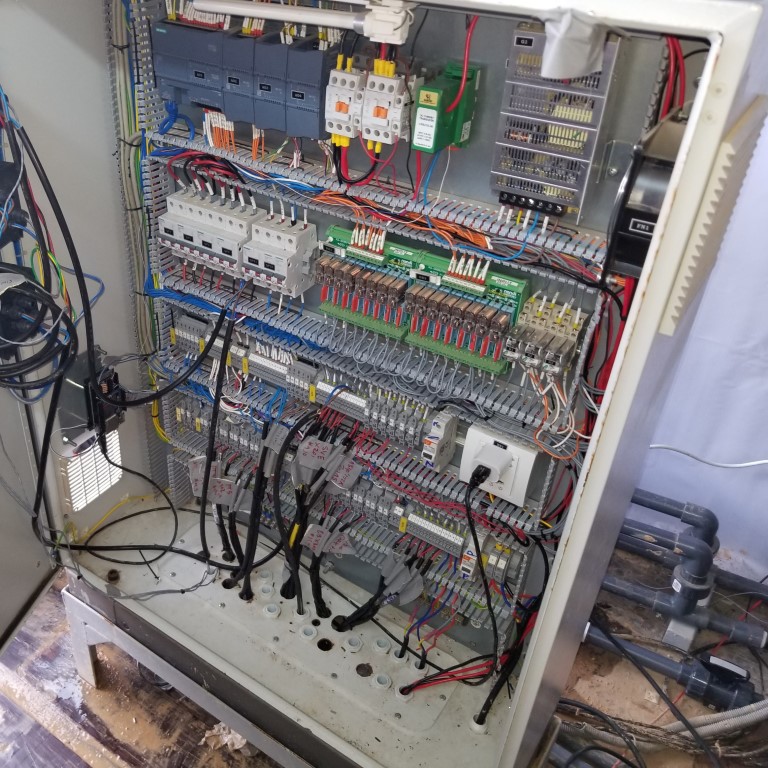
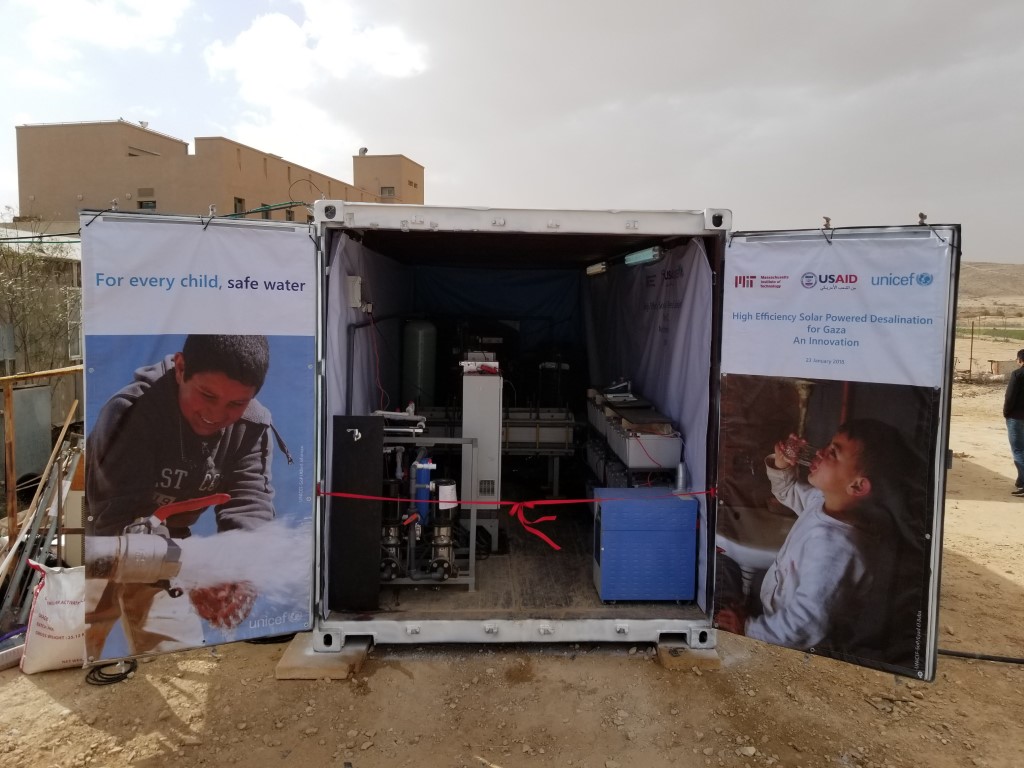
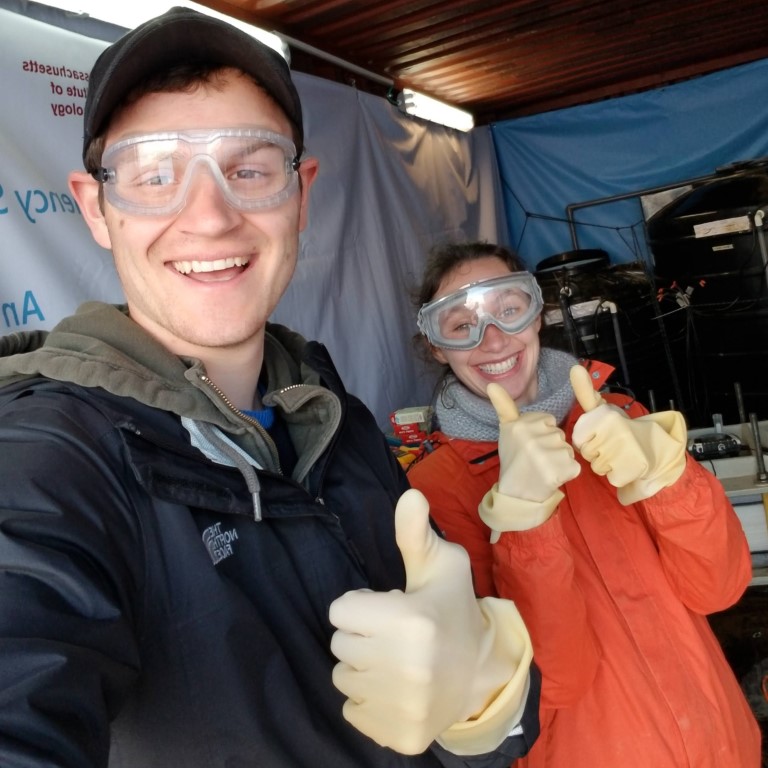
The system arrived in shambles from our partner in India - they had disassembled it almost completely. After a month of nonstop tinkering, we faked a ribbon cutting ceremony for sponsors at the United Nations. Fortunately, our sponsors were well-aware of the situation and prepared to help in any way they could. After the ribbons were cut and the banners were removed, my MIT colleagues left. I was left mostly alone, stuck in a shipping container in the desert of Israel. My task was to finalize and test the system before its shipment.
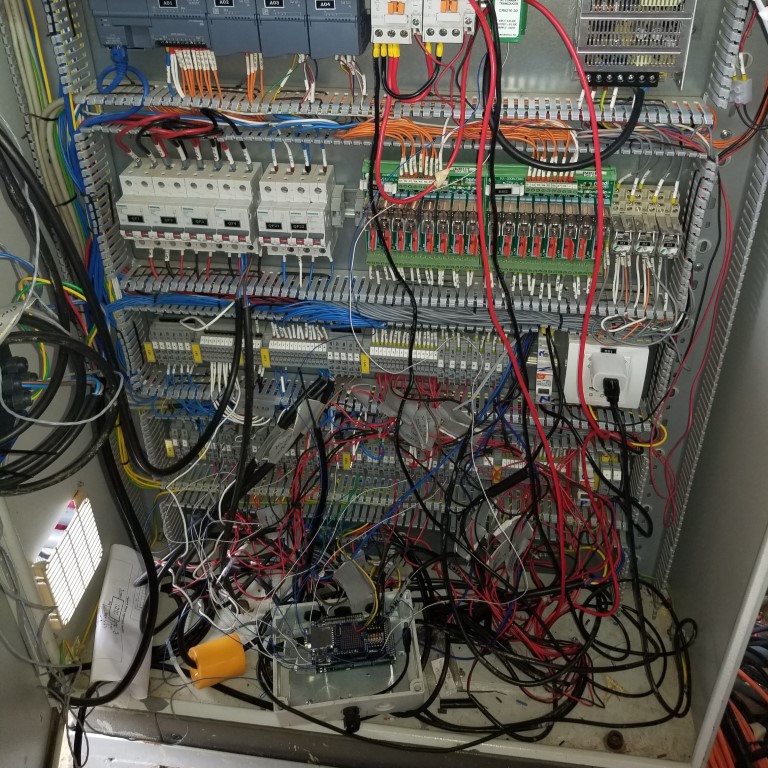
For fear of being stuck alone any longer, I quickly learned a host of new skills to expedite the process and fix this badly broken system. Success was my only option. I spent hours in the stinking fumes of solder and PVC cement as I rewired the entire control cabinet and repaired the faulty hydraulics. From this experience, I developed a newfound confidence designing relay logic circuits, using a multimeter, soldering, assembling PVC hydraulics, and debugging electronics in the harshest conditions.
Ultimately, the system was repaired, packed tight, and shipped just one month after the original shipment date. I returned to Cambridge shaken, tired, and sore - but certainly not broken. I had a new goal: I'd design our control systems, not our industry partners. These systems would be ours, from conception to commissioning.
Work began quickly to develop the next generation GEAR Lab desalination pilot. This system design was born from the idea that electrodialysis desalination, an area of focus in the GEAR Lab, was uniquely well equipped for renewable power applications. This pilot, unlike the Israel pilot, would closely track the irradiance curve from a solar power system, operating slow in the morning and evening when the sun was low and operating fast when the sun was at its peak.
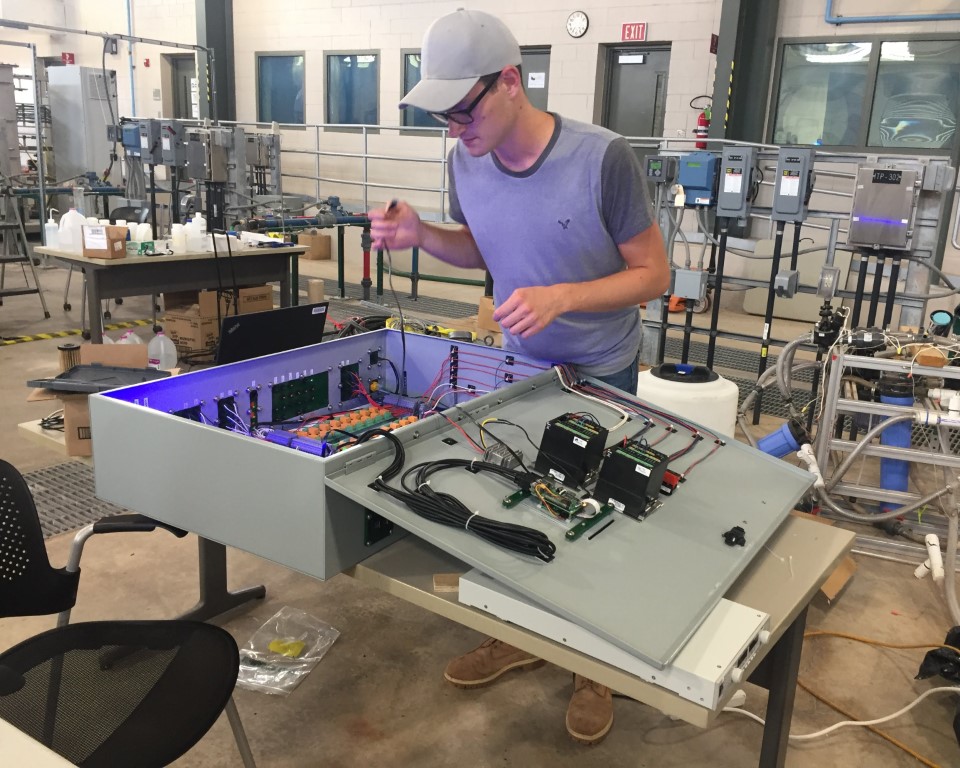
With my newfound goal of bringing system design in house, I was set to design and construct the control system. In just a matter of months, I taught myself Python, built a user interface, and configured a programmable logic controller (PLC) to manage all of the sensors, VFDs, relays, and other important subsystems.
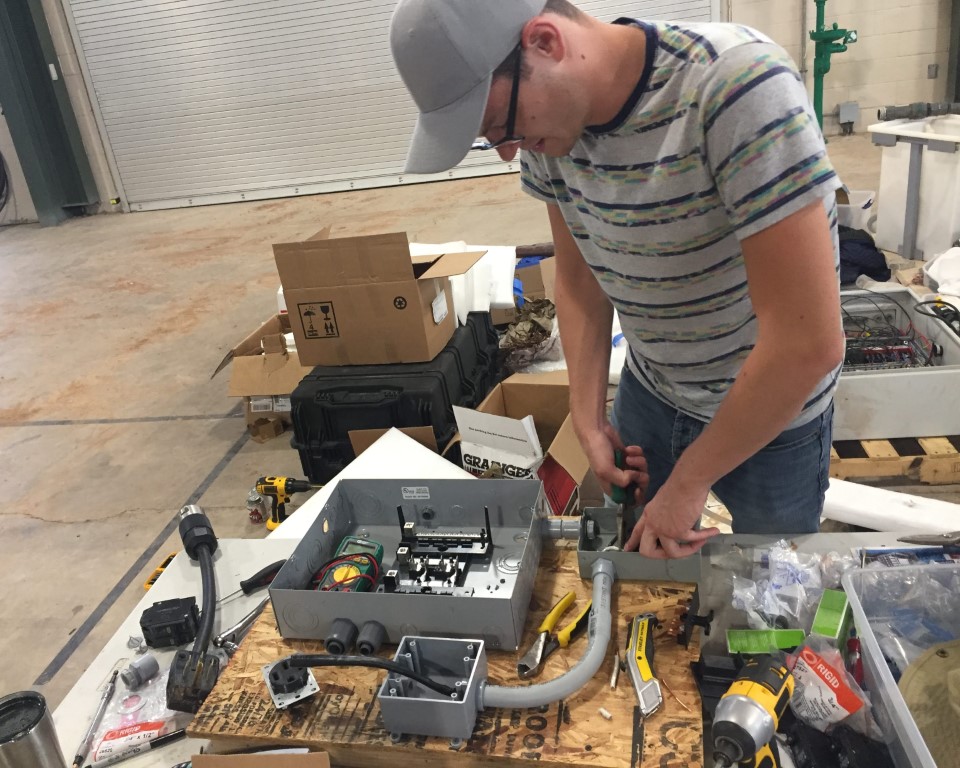
Somehow, I also found myself responsible for high power connections too. With some advice from my peers, some help from the incredible staff at the Brackish Groundwater National Desalination Research Facility (BGNDRF), and lots of Googling, I felt confident we could assemble make these connections safely.
Although there is much I would change in hindsight, I still felt satisfied having made connections to...
While this pilot was ultimately successful, I am the first to admit that I was in over my head. I was never overwhelmed but still realized that I was trying to learn too much at once. Consequently, the system, though fully-functionaly, had bodges, inefficienies, and hacks that didn't match my expectations for a polished pilot. Still, as with all my projects, I saw a path forward where I'd my learnings to the next project. Fortunately, I wouldn't have to wait long.
Work hadn't wrapped on the summer pilot system before the next pilot was already underway. This system would be a special showcase of our electrodialysis technology preempting a demonstration in India, where our industry sponsor was located.
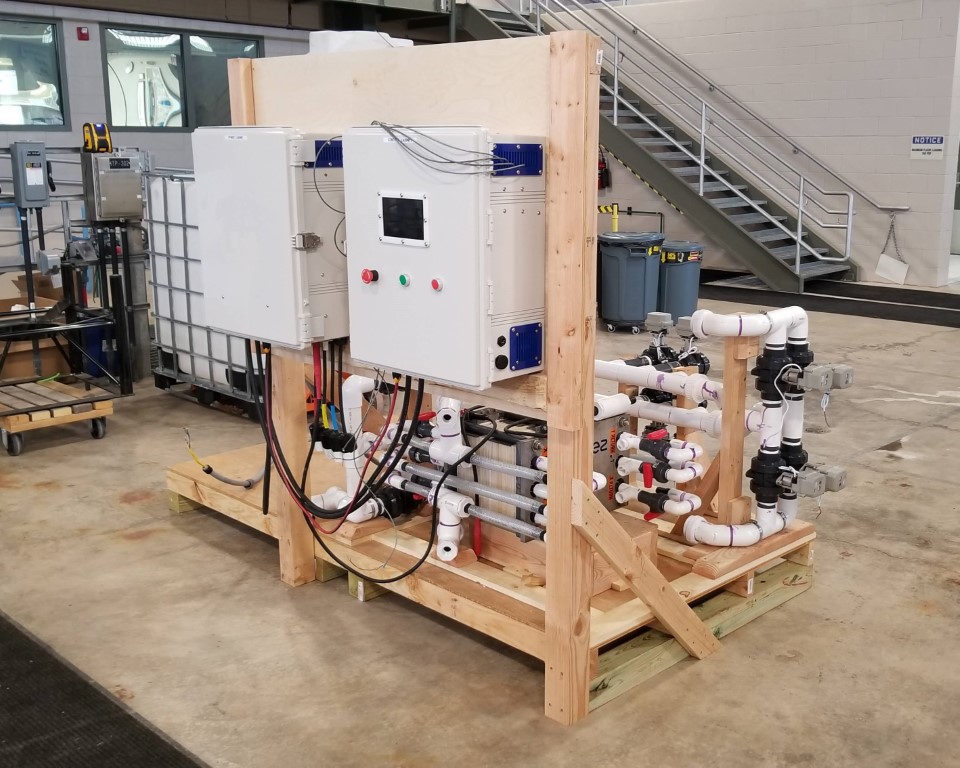
For this project, I was assigned the role of hydraulics and power systems. Using the functional requirements for the power system set by the student leading this research activity, I set about putting four large power supplies in a cabinet along with some smaller supplies and a collection of relays and contactors.
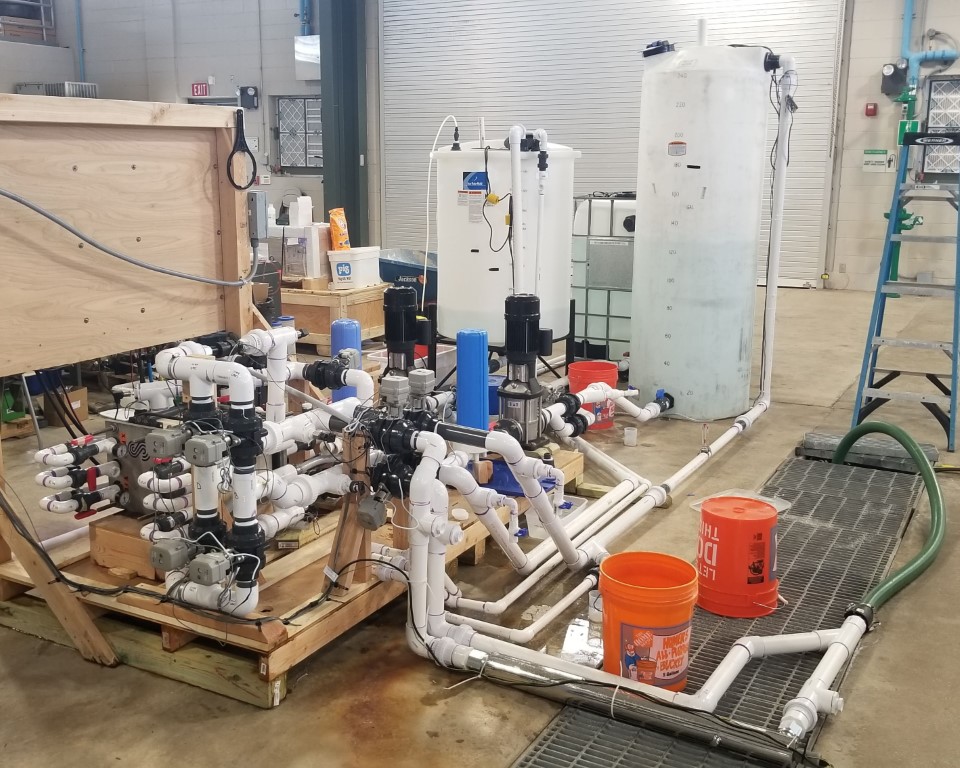
During this pilot, we still had unanswered questions about the final hydraulic configuration of this system. I meticulously modeled every hose, fitting, and tube in CAD to ensure every possible hydraulic connection was possible. A simple flip of a valve or two easily managed this flexibility. Better still, I never had to fumble when cutting a part or gluing a connection. I find CAD is a convenient and fast way to convey my engineering intentions with my coworkers.
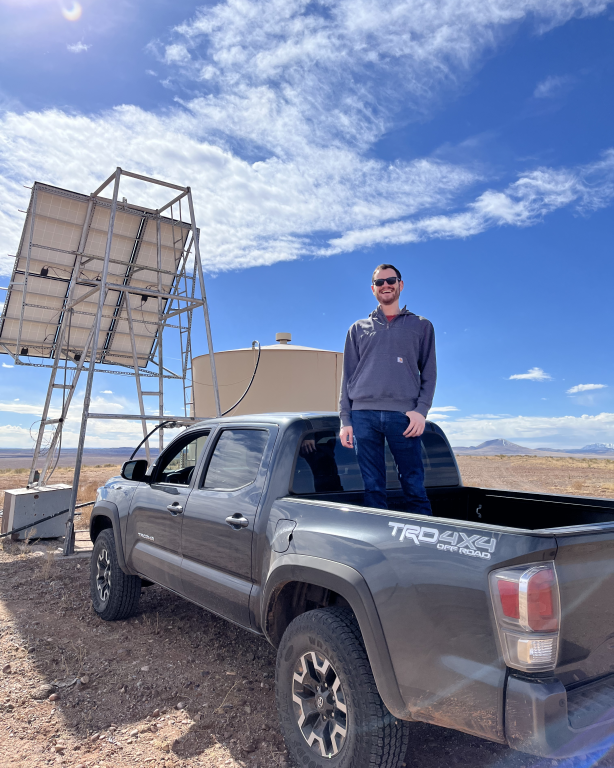
Upon completing the system fabrication, I remained in New Mexico for two months, testing every aspect of the system and troubleshooting every hardware and software bug.
Just as before, the development cycle for these desalination systems was relentless. Myself, and the rest of the team, took every lesson to heart in preparation for our next design, which was right around the corner.
After three and a half months in New Mexico working two major desalination pilots, the MIT team resolved to not send me to India for the next pilot. I was relieved, but that did not stop my commitment to the success of the next pilot: a commercial prototype in Medchal, India.
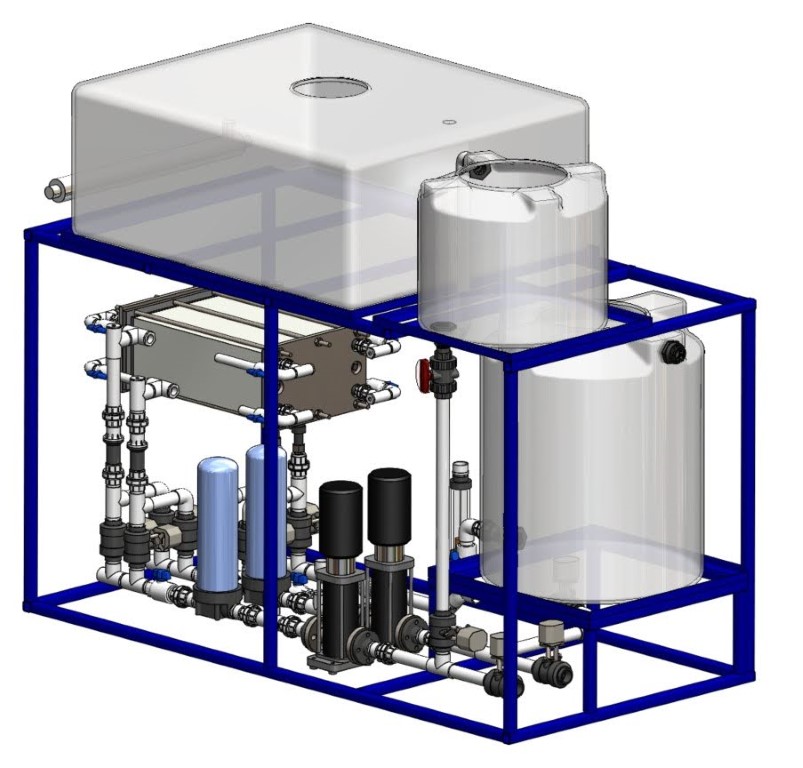
Every aspect of the New Mexico, Fall 2018 pilot was re-evaluated from pipe siz, to number of power supplies, to the placements of the pumps and filters, to the number of valves. My hands-on experiences would help dictate every aspect of the new design. This first CAD screenshot was taken on December 7th at 2am, in preparation for a design review taking place remotely, in India.
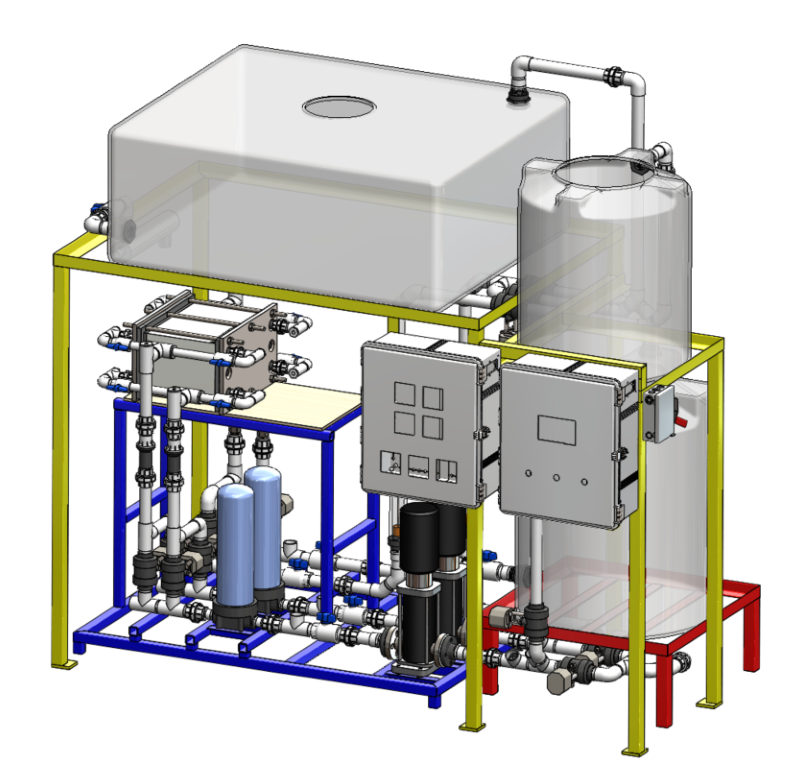
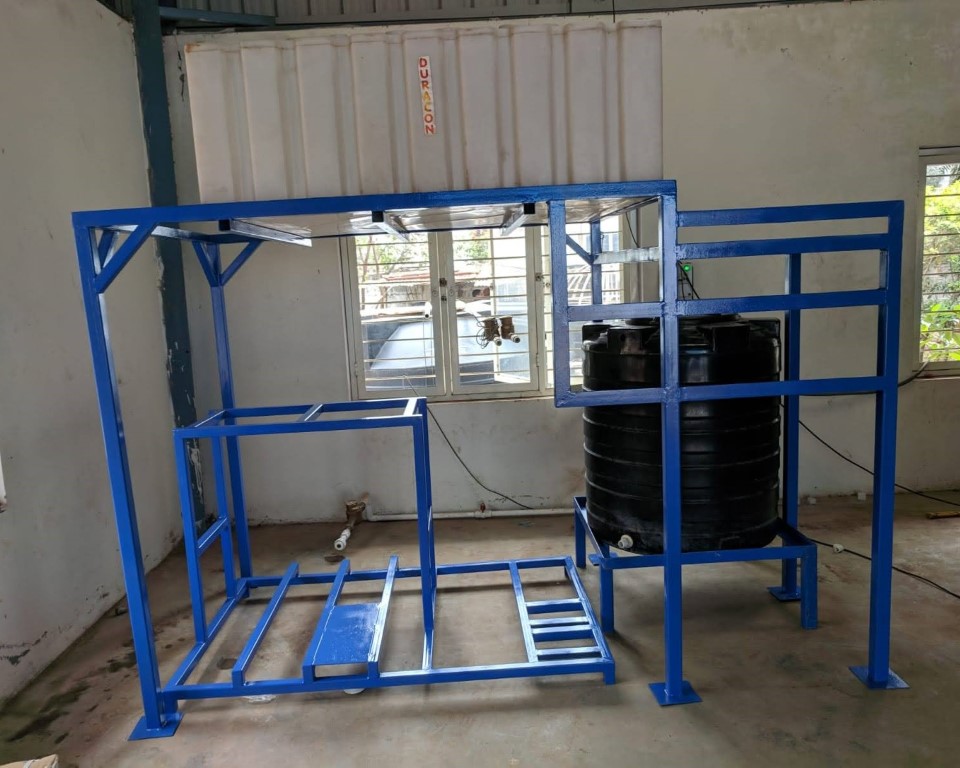
By December 13th, I had completely re-engineered the design of this system three times, considering the feedback from the engineering team in India. This design met specific size constraints and considered the mobility of each welded steel structure. As always, every nut and bolt was modeled ensuring that even the smallest details were scrutinized.
I raced, quickly as I could, to produce a viable design. Each component of the system was assebmled as fast as I could produce CAD and drawings. I would often receive photos from my coworker, Natasha, of welders working in India the moment they recieved a drawing.
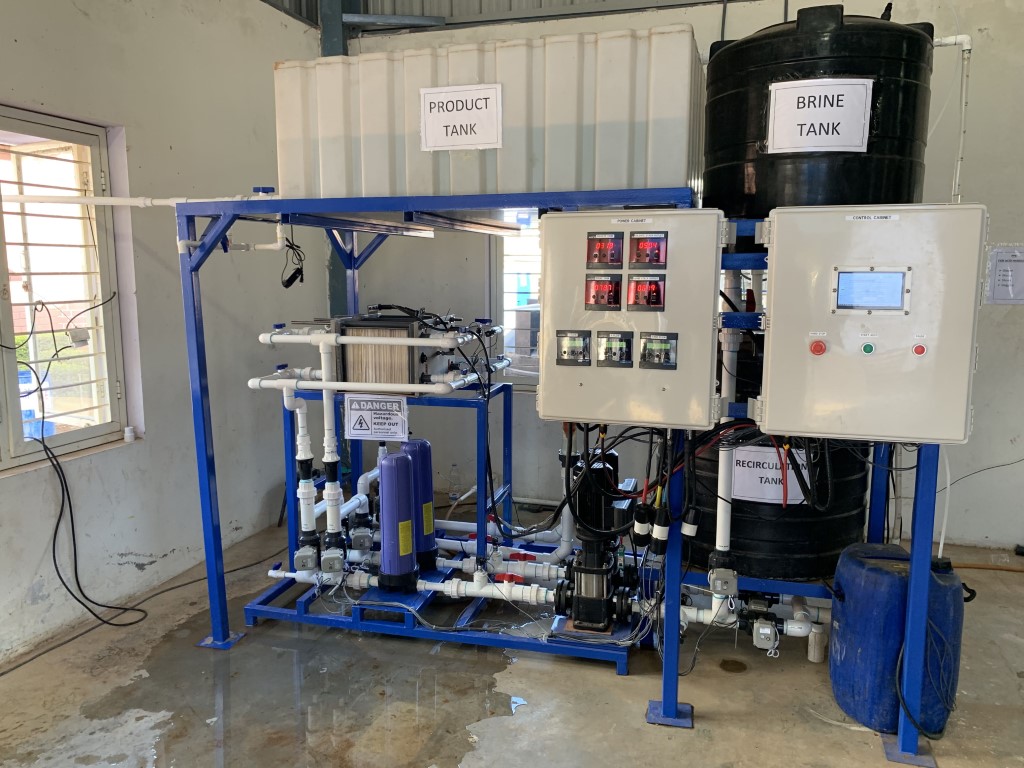
Just a few late nights later, the system was built in its entirety. Our sponsor was thoroughly impressed. After a year of exhausting work that began in the desert of Israel, I felt that this final system was a perfect showcase of everything the rest of the team and I had learned. I couldn't be more proud of this showcase.
Somehow, in this short year, I had traveled over 50% of the time. I started as a naive, young engineer fumbling a multimeter in a shipping container in Israel and ended up hardened by the experience building substantial systems and subsystems in multiple desalination pilots.
In 2019, I left MIT, and started a new role as a technical instructor at Boston University. You can see some of my work at BU here, in another Portfolio entry: Teaching Principles of Automated Manufacturing.
When returned to MIT in 2021, I knew I'd be continuing my work on the desalination team. This time, I'd have a more initimate role with the scientific modeling and system design. My transition from a staff member to a student was in September 2022. As a student, I've had the perfect opportunity to lean into my years of hands-on experience while improving my scientific skillset. Presently, I'm working on design of large, municipal-scale desalination systems. Upon completetion of that work, which wraps in September 2024, I'll be eager to share it here.
2025 Update: Forgive me - looks like this page needs an update. I'll try to get to it soon!